
How AI Is Transforming Home Design in 2026
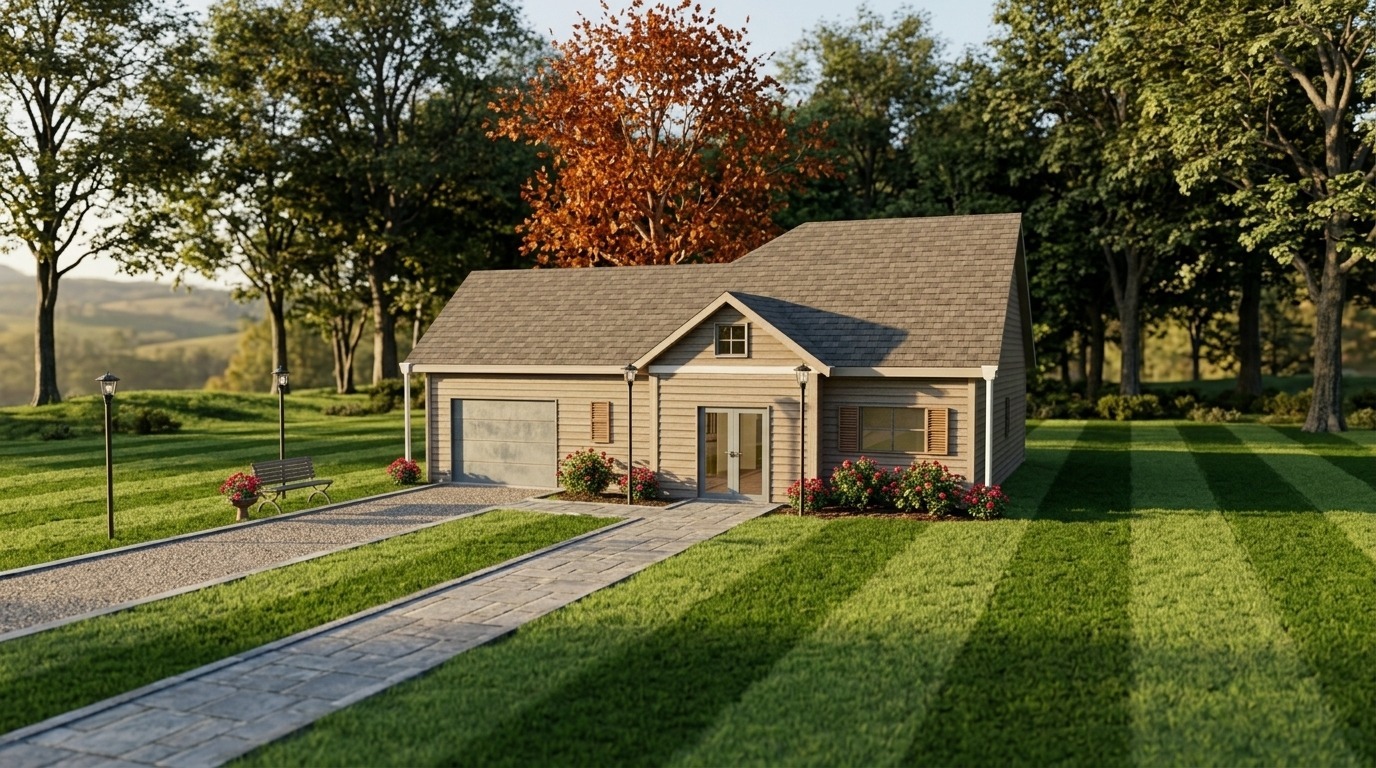
Designing a home has never been easier than it is today.
In 2026, AI is changing the way people approach home design. Whether you’re planning a new house, renovating a room, or simply exploring ideas for the future, AI is helping people move from imagination to visualization faster than ever before.
But the biggest advantage isn’t speed.
It’s the ability to explore more ideas before making decisions.
Most homeowners know what they like when they see it. The challenge is turning those ideas into something visual. A person may want a modern exterior, a spacious kitchen, a stylish roof, or a cozy living room, but it can be difficult to understand how all those elements work together.
This is where AI-powered design tools are making a real difference.
Turning Ideas into Floor Plans
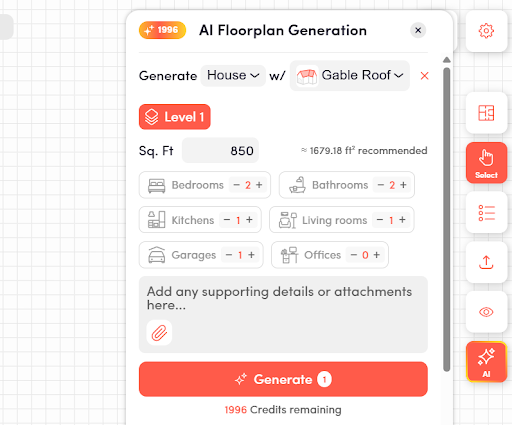
Designing a floor plan can often be time-consuming, especially when you’re trying to explain your ideas to an architect or designer. Our AI Floorplan Generation tool makes this process simple by allowing you to describe your requirements and instantly generate a customized floor plan.
How It Works
1.Select Your Property Type
- Choose the type of building you want to create, such as a house or residential property.
2.Enter the Total Area
- Specify the size of your property in square feet.
3.Customize Your Rooms
- Add the number of bedrooms, bathrooms, kitchens, living rooms, garages, and office spaces you need.
4.Add Additional Requirements
- Include special instructions or upload reference files to help the AI understand your vision better.
5.Generate Your Floor Plan
- Click the Generate button and let the AI create a floor plan based on your inputs.
View Your Design in 2D and 3D
2D View helps you understand the room layout, dimensions, and space arrangement.
3D View brings your floor plan to life, allowing you to visualize how the completed space will look in the real world.
By combining artificial intelligence with an intuitive design process, the AI Floorplan Generator helps you move from a simple idea to a fully visualized floor plan faster than ever before.
More Than Just Layouts
A floor plan is only one part of home design.
Once a layout is created, most people immediately start asking new questions.
How will the exterior look?
Which roof style suits the house?
What will the interior feel like?
How will the property look once landscaping is added?
This is where modern AI home design platforms are evolving beyond simple planning tools.
The goal is no longer just to create a floor plan.
The goal is to help users visualize an entire home.
Exploring Exteriors with AI
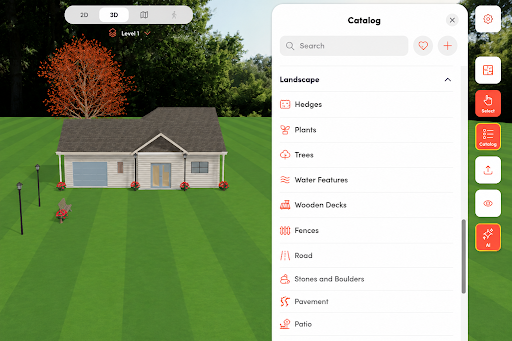
The exterior is often the first thing people notice about a house.
A small change in materials, colors, windows, or architectural details can completely transform the overall appearance of a property.
Using an AI exterior design generator, users can experiment with different styles and quickly compare design ideas.
Whether the goal is a modern home, a contemporary villa, or a more traditional design, visual exploration helps users understand what works best for their project.
An AI home exterior design tool allows users to make these comparisons quickly, helping them discover possibilities they may not have considered before.
For homeowners who are still collecting ideas, a free AI exterior design tool can be a great way to explore different directions before committing to a final design.
Experimenting with Roof Styles
Roofs have a bigger impact on design than many people realize.
The same house can feel completely different depending on the roof style.
Flat roofs, pitched roofs, modern architectural roofs, and traditional designs all create a unique visual identity.
With an AI roof design tool, users can experiment with different options without rebuilding their design from scratch.
An AI roof style generator makes it possible to compare multiple concepts and choose a roof that complements the overall architecture of the home.
Bringing Interiors to Life
A great home is not just about what it looks like from the outside.
Interior spaces are where people spend most of their time, which is why visualizing them matters.
An AI interior design generator helps users explore room layouts, furniture arrangements, color palettes, and design styles before making purchasing or renovation decisions.
Instead of imagining how a room might look, users can see possibilities and make decisions with greater confidence.
This creates a more enjoyable design experience and often leads to better results.
How DrawHome Fits Into This Process
DrawHome brings all of these ideas together in a single platform.
A project can start with an AI floor plan generator, continue with AI home elevation design, evolve through an AI exterior design generator, and then move into interior furnishing and visualization.
Users can experiment with materials, furniture layouts, roof styles, landscaping elements, and decorative features without constantly switching between different tools. DrawHome also supports AI-assisted furnishing, roof generation, material customization, and realistic rendering, helping users visualize a complete home rather than just a collection of drawings.
One of the most useful aspects of the platform is the ability to explore ideas freely.
Want to see a different exterior style?
Try it.
Want to test another roof concept?
Generate it.
Want to furnish an empty room and see how it feels?
Explore different options.
The process becomes less about technical design work and more about creativity.
The Future of Home Design
AI is not replacing creativity.
It is making creativity easier to explore.
The ability to generate layouts, test design ideas, experiment with materials, visualize interiors, and create realistic renders allows homeowners to make decisions with greater confidence.
As AI continues to evolve, home design will become more visual, more interactive, and more accessible to everyone.
Platforms like DrawHome are already showing what that future looks like.
Instead of spending weeks trying to imagine possibilities, users can explore them directly, refine their ideas, and move closer to the home they truly want to create.
In 2026, the biggest advantage of AI isn’t that it designs homes faster.
It’s that it helps people design better homes.