
Understanding Basic Home Design Principles (Simple Guide)
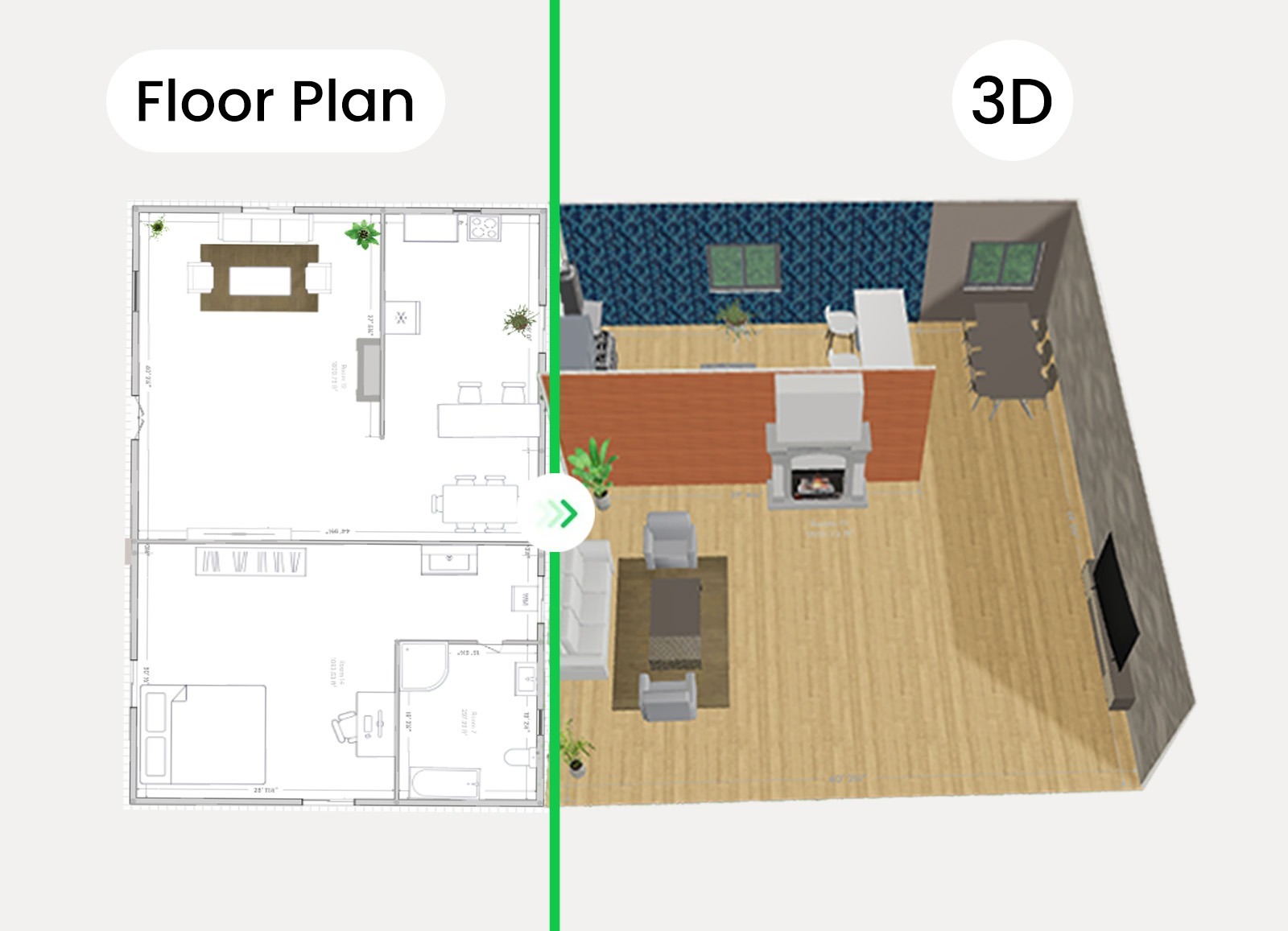
Designing a home is more than choosing furniture or wall colors—it’s about creating a space that feels functional, comfortable, and visually balanced. Whether you’re planning your dream home or exploring creative ideas, understanding basic home design principles is the first step.
With DrawHome, home design becomes easier and more accessible. Its online floor planner, AI floor plan generator, and 3D home design software help users—from teenagers to homeowners—create and visualize designs without needing professional experience.
This simple guide will help you understand the core principles behind successful home design.
1. Start with Function First (Most Important Principle)
Before thinking about colors, furniture, or decoration, always ask:
What is the purpose of this space?
Every room has a function:
- Bedroom → Rest and relaxation
- Kitchen → Cooking and efficiency
- Living room → Social interaction
- Study room → Focus and productivity
A good design always begins with how the space will be used.
💡 Pro Tip: Never design based on looks first. Always design based on how the room will be used daily.
2. Space Planning Is the Foundation
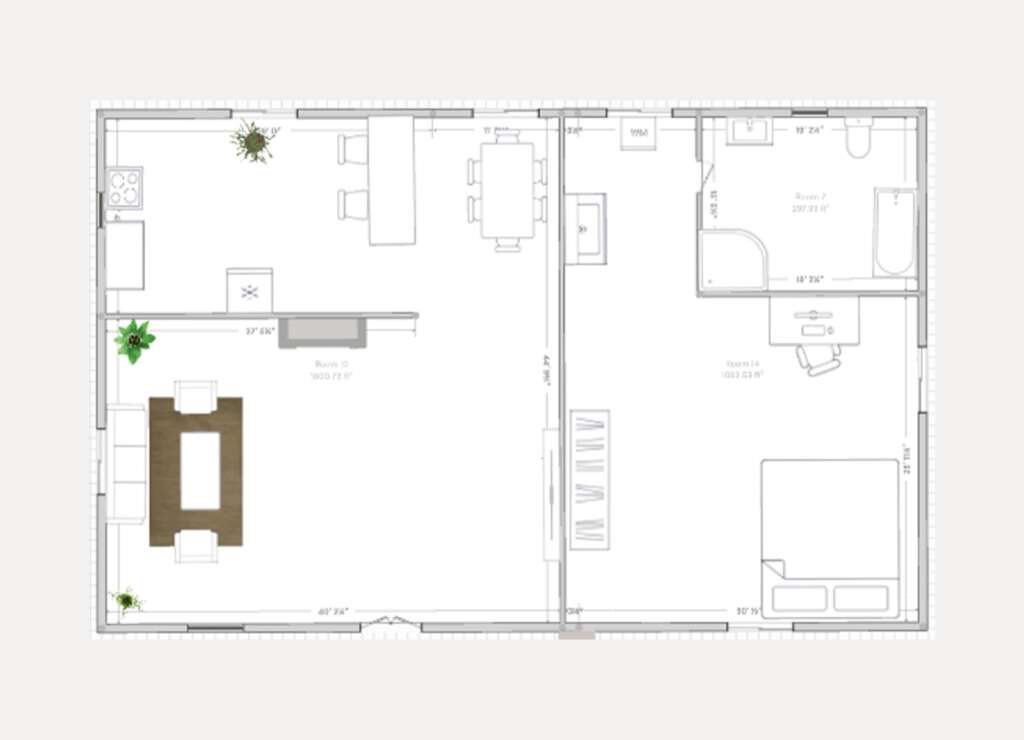
Space planning means deciding where everything goes before decorating.
It includes:
- Room layout
- Furniture placement
- Movement paths
- Empty spaces
A well-planned space feels open and easy to use, while a poorly planned space feels crowded and confusing.
3. Balance Creates Visual Harmony
Balance means making sure no part of the room feels too heavy or too empty.
There are three types:
- Symmetrical balance → both sides look similar
- Asymmetrical balance → different objects but still visually balanced
- Radial balance → design built around a central point
Balanced rooms feel peaceful and well-organized.
4. Importance of Flow and Movement
Flow refers to how easily you can move through a space.
Ask yourself:
- Can I walk without obstacles?
- Are doors opening freely?
- Is furniture blocking movement?
Good flow makes a home feel natural and comfortable.
5. Scale and Proportion Matter a Lot
The scale is about size.
Proportion is about the relationship between objects.
For example:
- A large sofa in a small room feels cramped
- Tiny furniture in a big room feels empty
Good design matches furniture size with room size.
💡 Rule of Thumb: Bigger rooms need bigger furniture, but not overcrowding.
6. Keep Simplicity in Mind
One of the biggest mistakes beginners make is adding too much.
Simple designs:
- Feel cleaner
- Look more modern
- Are easier to maintain
- Improve visual comfort
Less is often more in home design.
7. Why Digital Design Helps Beginners Learn Faster
Learning home design becomes easier when you can see and change your ideas instantly.
With Drawhome, users can:
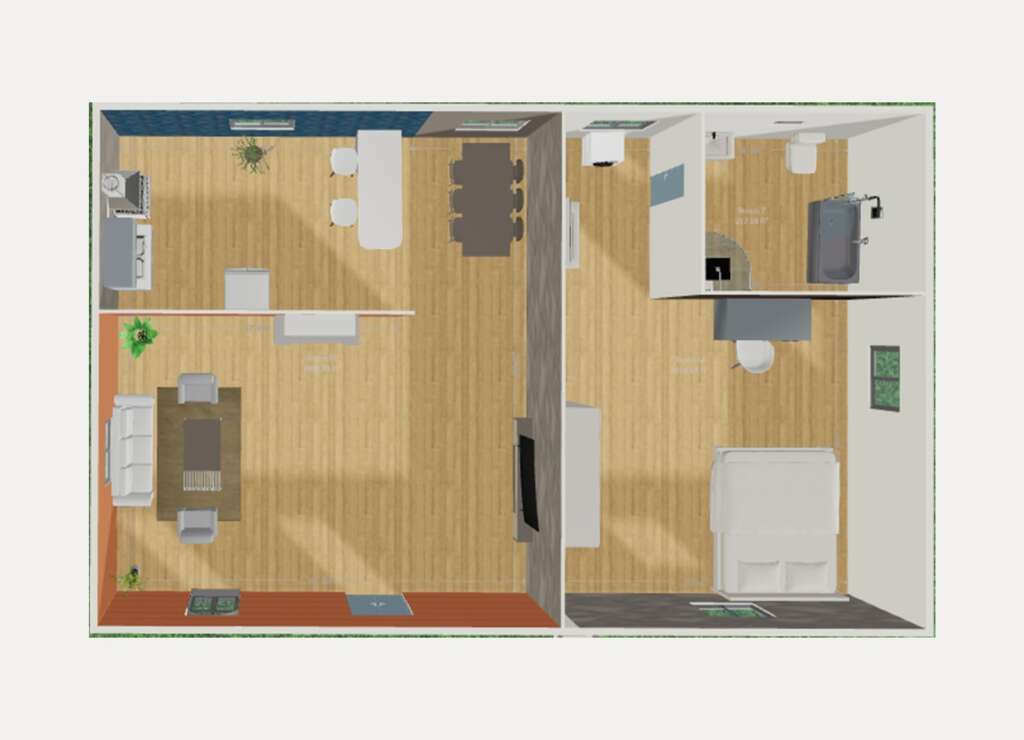
- Create 3D home layouts easily
- Experiment without mistakes
- Visualize ideas in real time
- Learn design by doing
This makes it especially useful for teenagers and beginners who are just starting out in design thinking.
Great home design starts with understanding the basics. Once you learn principles like function, space planning, balance, and proportion, designing becomes much easier.
With Drawhome, turning your ideas into beautiful home designs becomes simple, creative, and fun.